Here are some important points:
Key Takeaways
- Meal planning is about reducing stress and guesswork, not creating perfect menus.
- Start small: plan 2–3 dinners per week and build from there.
- Balanced meals use a simple formula: vegetables/fruit + whole grains + protein + healthy fats.
- Planning ahead can lower food costs and reduce last‑minute takeout.
- If you or a loved one has medical conditions, confirm any new meal plan with a healthcare professional.
Why Meal Planning Helps
Many adults and caregivers juggle work, appointments, and unexpected demands. Last‑minute food decisions often lead to:
- Skipping meals or relying on fast food
- Extra spending on takeout
- Lower energy and more stress
A basic meal plan gives you:
- Fewer decisions to make day‑to‑day
- More predictable grocery costs
- Better chances of eating balanced meals
This guide breaks meal planning into simple steps so it feels manageable, even if you’re new to it.
Step 1: Take Stock of Your Week
Before thinking about recipes, look at your schedule:
- Busy evenings? Plan quick or pre‑prepared meals.
- More open time on certain days? Use those for batch cooking or trying a new recipe.
Ask:
- How many people are you feeding most nights?
- Do you need leftovers for lunches?
- Are there medical or cultural food needs to respect?
You do not need a full month of meals. Planning even two or three dinners can make a real difference.
Step 2: Use a Simple Meal Formula
You can build most meals around this structure:
- ½ plate: Vegetables and/or fruit
- ¼ plate: Whole grains or starchy vegetables
- ¼ plate: Protein
- 1–2 spoonfuls: Healthy fats (oil for cooking, nuts, seeds, avocado)
Example: 15‑Minute Skillet Dinner
- Frozen mixed vegetables sautéed in olive oil
- Canned beans (rinsed) or pre‑cooked chicken
- Quick‑cooking whole grains (microwaveable brown rice or quinoa)
This approach works with many cuisines and budget levels.
Step 3: Start With Foods You Already Know
You don’t have to reinvent your entire menu. Make a list of:
- Quick meals your household already likes
Examples: veggie omelets, bean and cheese quesadillas, pasta with tomato sauce and vegetables, baked chicken with frozen veggies.
- Snack options
Examples: fruit, yogurt, nuts, whole‑grain crackers, carrots with hummus.
Pick 2–3 dinners, 2–3 lunches, and a few snacks to repeat this week. Over time, you can rotate new options so boredom doesn’t set in.
Step 4: Turn Your Plan Into a Grocery List
A list helps you stay focused and control spending.
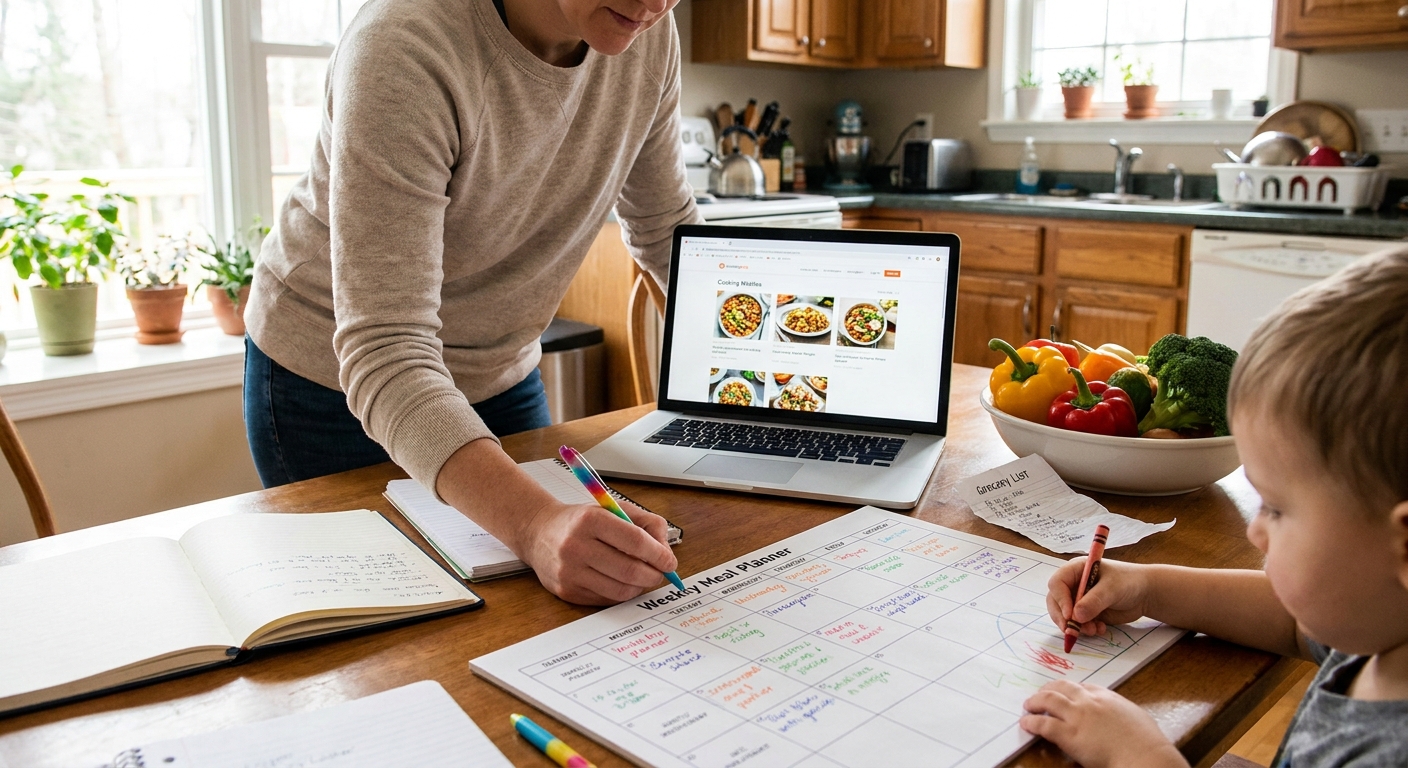
- Write down your planned meals.
- Check what you already have at home.
List what you need by category:
- Produce (fresh or frozen) - Grains and bread - Proteins (beans, eggs, dairy, meat, fish, tofu) - Pantry staples (oil, spices, canned tomatoes)
Budget‑Friendly Ideas
- Choose store brands where possible.
- Use frozen vegetables and fruits to avoid waste.
- Build meals around low‑cost staples: rice, pasta, oats, potatoes, beans, lentils, eggs.
Government assistance programs may help with costs. Some clinics or community centers also offer free or low‑cost nutrition classes.
Step 5: Prep in Small, Manageable Batches
Meal prep does not need to mean cooking all Sunday. Even 30–45 minutes can help:
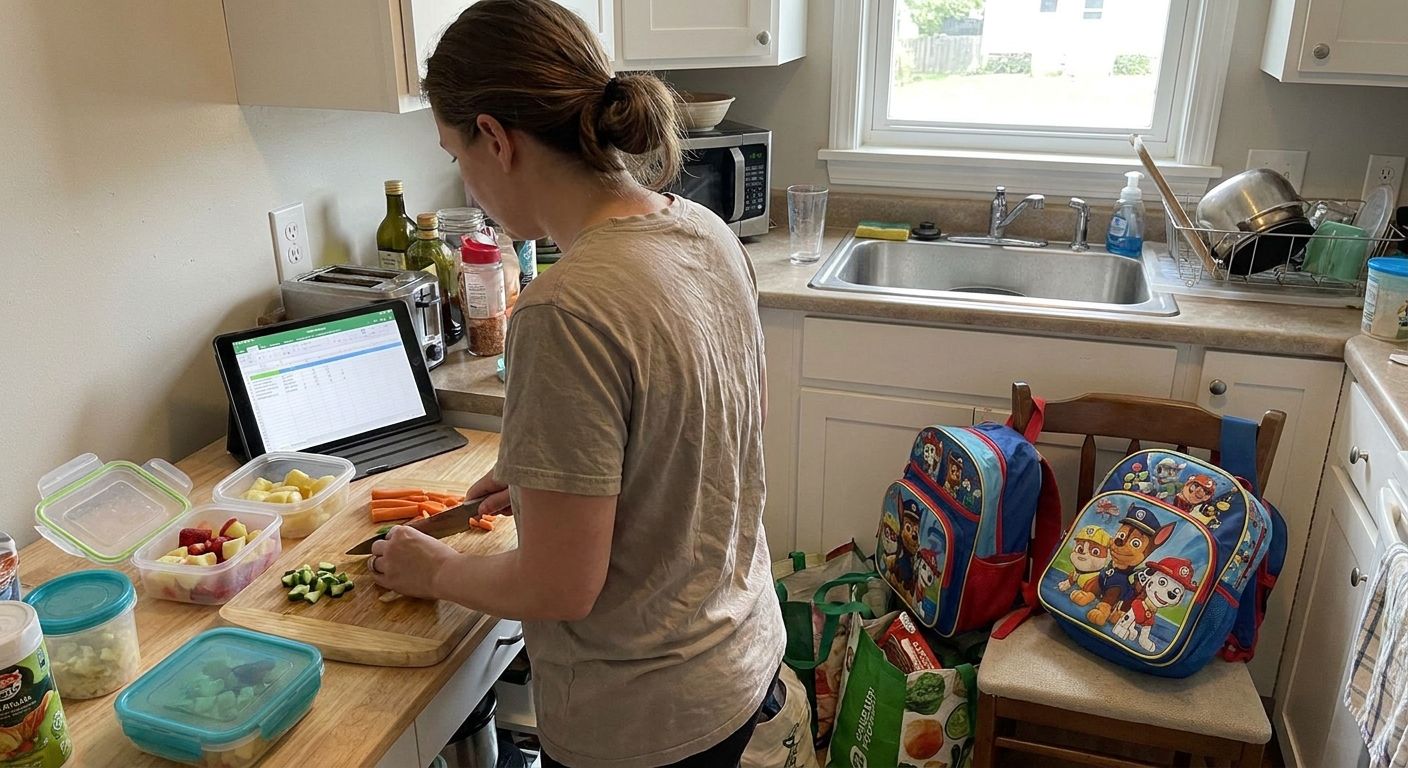
- Wash and chop vegetables for the next 2–3 days.
- Cook a pot of grains (rice, barley, quinoa) to use in multiple meals.
- Bake or grill several chicken breasts or tofu blocks at once.
- Portion snacks (nuts, cut fruit, carrot sticks) into small containers.
Caregivers may find it helpful to:
- Prepare soft textures (soups, stews, mashed vegetables) for people with chewing or swallowing difficulties.
- Store individual portions for easier reheating.
Follow safe food handling and storage practices, and ask a healthcare professional for guidance if a loved one needs special texture or thickened liquids.
Adapting Meal Plans to Common Health Conditions
Meal planning can support medical nutrition advice, but it is not a replacement for individualized care.
Examples of areas where you should check with a professional before making big changes:
- Diabetes: Carbohydrate amounts, timing of meals, and medication all interact.
- Heart disease or high blood pressure: Sodium and types of fat are important.
- Kidney disease: Certain minerals (like potassium or phosphorus) may need attention.
- Food allergies or intolerances: Labels and cross‑contamination must be carefully managed.
A registered dietitian can help translate medical advice into a clear, realistic meal plan.
Costs, Insurance, and Support
Food Costs
Meal planning can reduce food expenses by:
- Limiting impulse buys and last‑minute takeout
- Helping you use what you already have
- Allowing you to buy in bulk for frequently used items
Even simple meals cooked at home—like beans and rice with vegetables—are usually much less expensive than restaurant meals.
Insurance and Medicare
While groceries themselves are not typically covered:
- Medical nutrition therapy by a registered dietitian may be covered for certain diagnoses.
- Some health plans include telehealth nutrition visits or group education.
Check with your insurer or Medicare plan and ask:
- Which diagnoses qualify for coverage
- How many visits are allowed each year
- Whether you need a referral from your doctor
When to See a Doctor or Dietitian
Consider reaching out for professional help if:
- You or someone you care for has unintended weight loss or gain.
- There is difficulty chewing or swallowing, or frequent choking or coughing at meals.
- You’re planning meals for someone with multiple chronic conditions and feel overwhelmed.
- Blood sugar, blood pressure, or other lab values are not where your health team wants them, despite your efforts.
A doctor can:
- Check for medical causes of appetite or weight changes
- Adjust medications that affect appetite or digestion
A registered dietitian can:
- Help design a meal plan tailored to medical needs, culture, and budget
- Suggest realistic swaps instead of extreme changes
Making Meal Planning a Habit, Not a Hassle
To keep things realistic:
- Start with two or three planned dinners each week.
- Repeat meals and use leftovers on busy days.
- Keep a running list of go‑to meals your household enjoys.
Over time, this approach usually leads to less stress, steadier energy, and more control over food costs. Use this guide as a starting framework, and always check your ideas with a healthcare professional if you have medical conditions or questions about safety.